

Discipleship Series (Part 4 of 6) - Martyrdom
In this six-part series on discipleship, Professor David Wang, Senior Research Fellow, Nagel Institute for the Study of World Christianity at Calvin University and Associate Professor of Spiritual Formation and Clinical Psychology, interviews His Eminence Archbishop Angaelos OBE, Coptic Orthodox Archbishop of London and Papal Legate to the United Kingdom.

Discipleship Series (Part 3 of 6) - The Coptic Orthodox Church
In this six-part series on discipleship, Professor David Wang, Senior Research Fellow, Nagel Institute for the Study of World Christianity at Calvin University and Associate Professor of Spiritual Formation and Clinical Psychology, interviews His Eminence Archbishop Angaelos OBE, Coptic Orthodox Archbishop of London and Papal Legate to the United Kingdom.
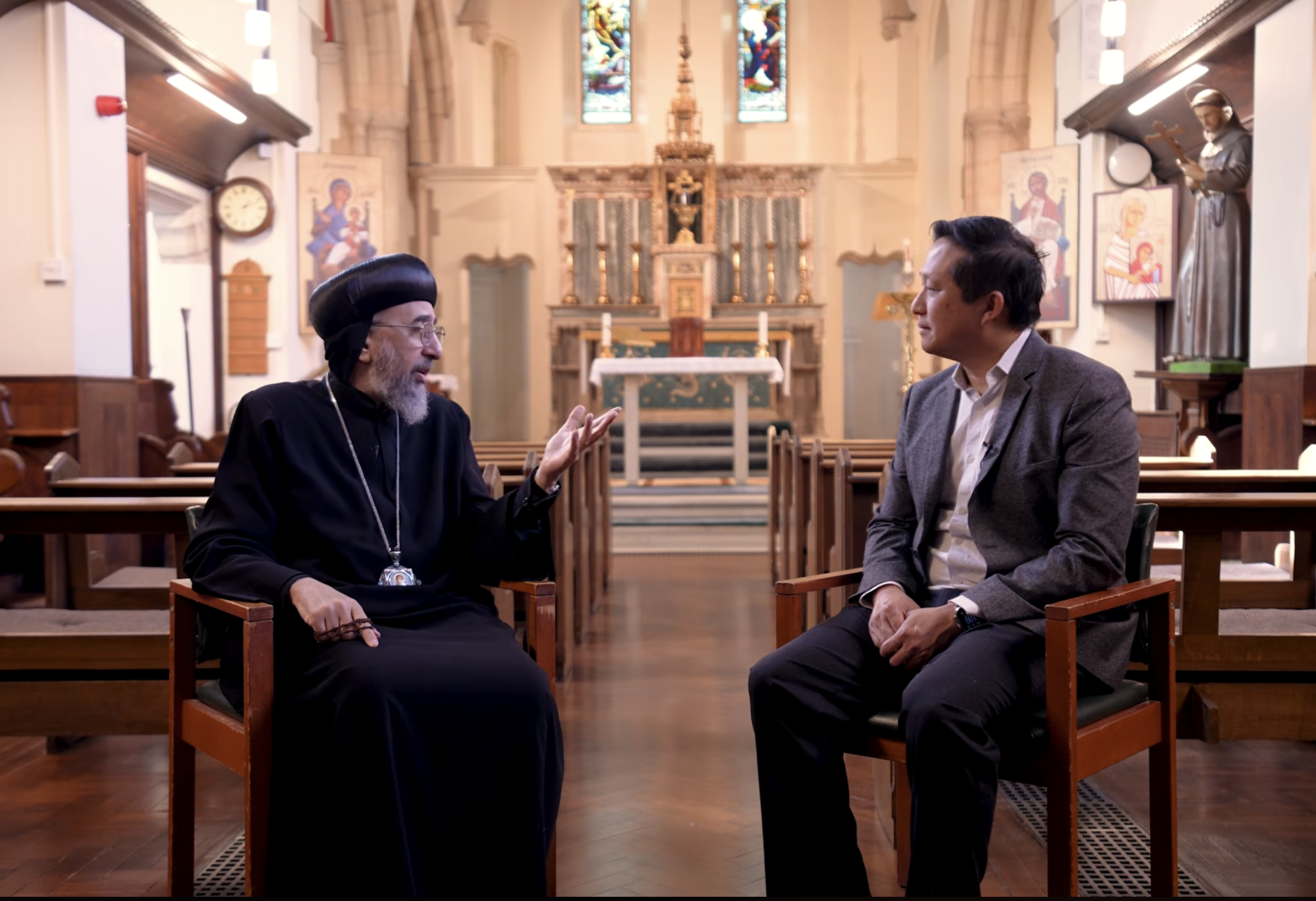
Discipleship Series (Part 2 of 6) - Monasticism
In this six-part series on discipleship, Professor David Wang, Senior Research Fellow, Nagel Institute for the Study of World Christianity at Calvin University and Associate Professor of Spiritual Formation and Clinical Psychology, interviews His Eminence Archbishop Angaelos OBE, Coptic Orthodox Archbishop of London and Papal Legate to the United Kingdom.
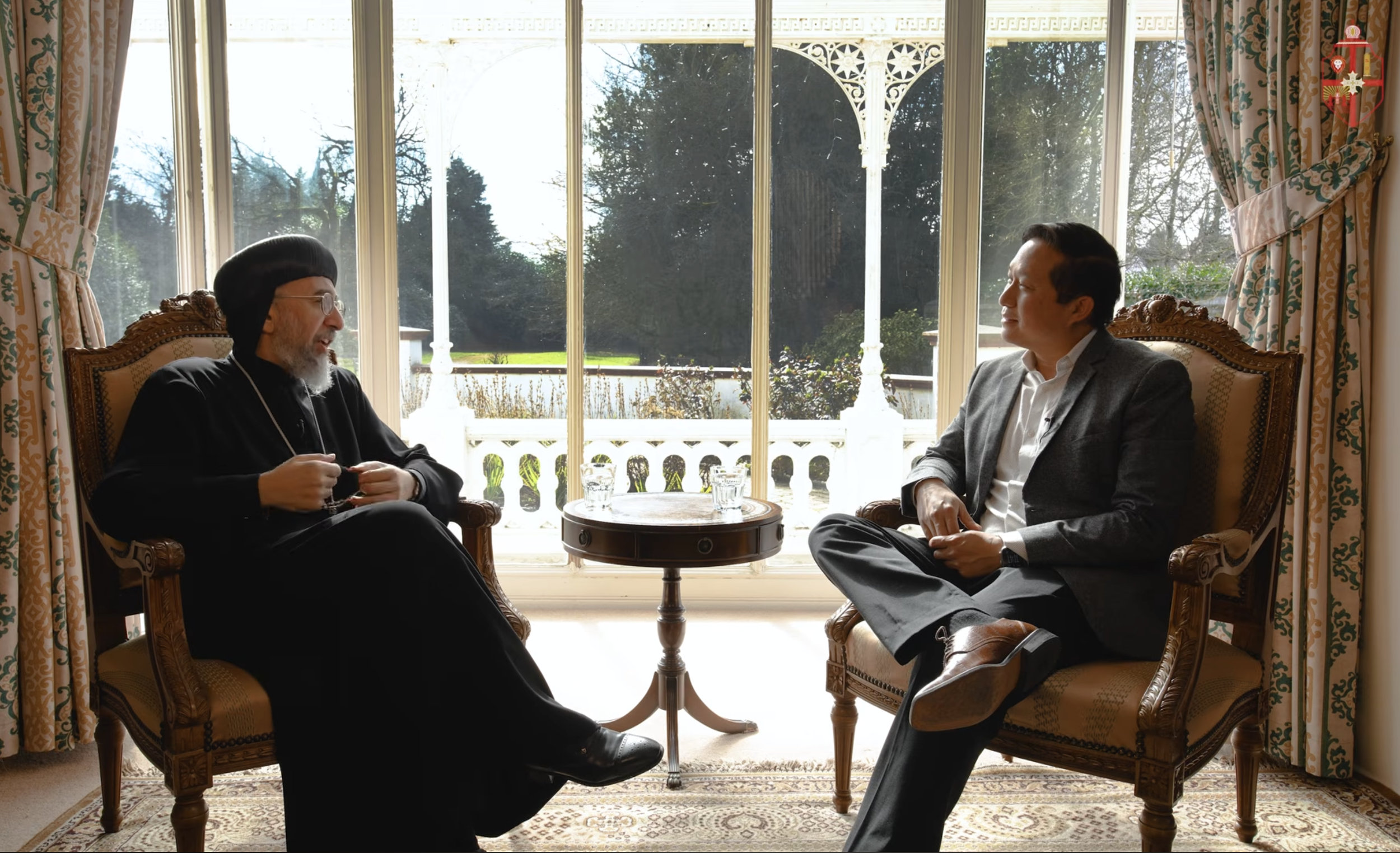
Discipleship Series (Part 1 of 6) - Professor David Wang interviews Archbishop Angaelos
In this six-part series on discipleship, Professor David Wang, Senior Research Fellow, Nagel Institute for the Study of World Christianity at Calvin University and Associate Professor of Spiritual Formation and Clinical Psychology, interviews His Eminence Archbishop Angaelos OBE, Coptic Orthodox Archbishop of London and Papal Legate to the United Kingdom.
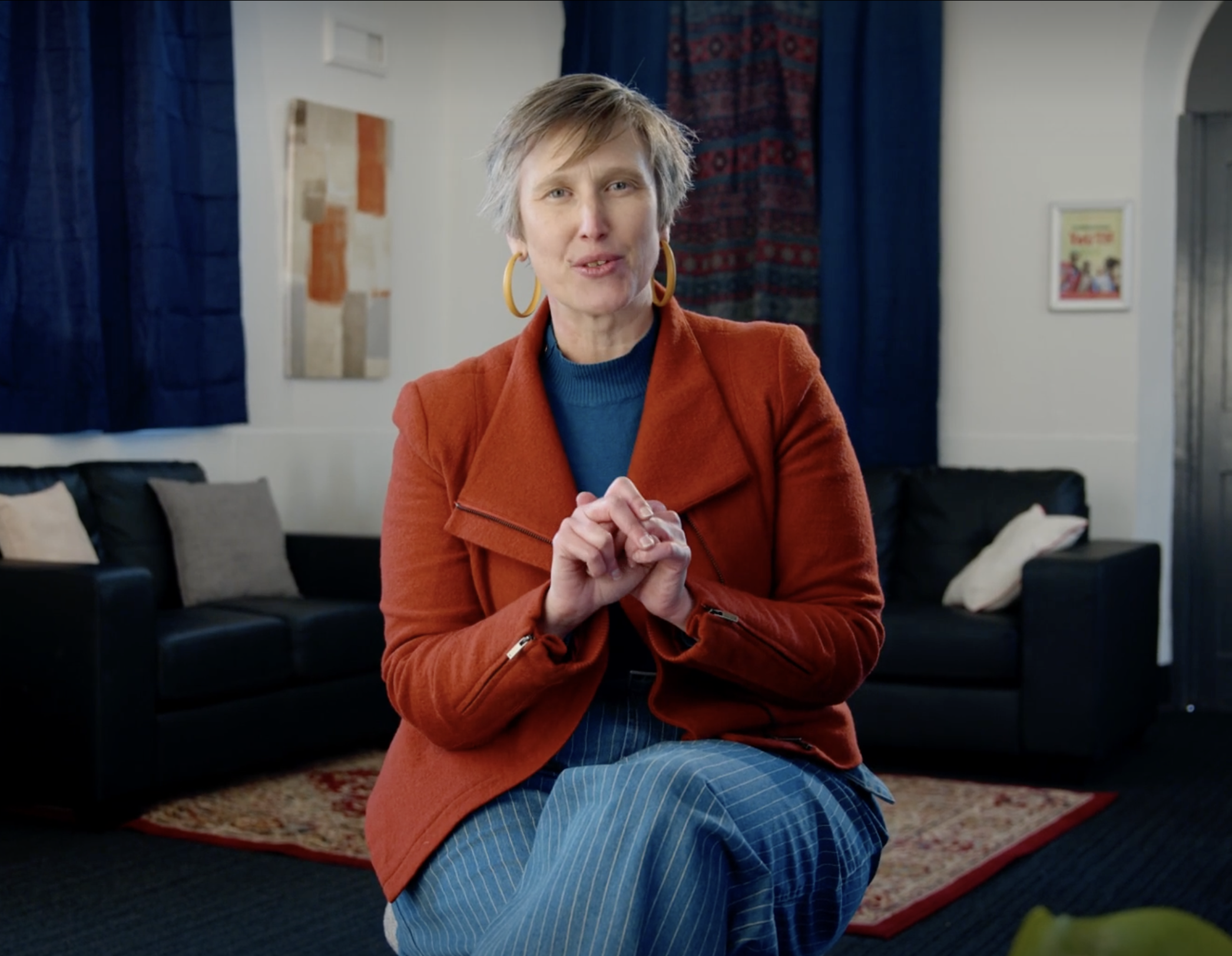
Your Story, Episode 2: The Relational Lens
Drawing on young Australians’ accounts of faith, this episode of Your Story explores how the quality of a relationship shapes the way young people receive guidance. It introduces five qualities young people value in those who walk alongside them: acceptance, belonging, ownership, understanding, and trust. A guided reflection invites parents, educators, and ministry leaders to consider how one young person might describe their relationship and choose a concrete way to strengthen it.

Your Story, Episode 1: See the Story
The episode of Your Story draws on accounts from young Australians aged 16–20 with ties to Christian communities. Researchers identified eight recurring patterns in how young people describe their relationship to faith, including how it deepens, wavers, or fades. A guided reflection invites parents, educators, and ministry leaders to think of one young person they know, consider what they may be assuming, and ask what has shaped that person’s faith.

Spiritual Maturity in Religious Leaders: Insights from an African Study
As part of the Global Formation Project, African researchers explored how seminaries and religious formation programs foster spiritual maturity. Sister Pascaline Dubam Wirba discusses their central finding that those who train future religious leaders need a strong grounding in both intellectual and human formation.

Special Issue: Institutional Approaches to Holistic Formation (Part 1)
Part 1 of the special issue of the Journal of Asian Theological Education and Spiritual Formation asks: What does holistic formation look like when institutions are intentional in its design and practice? An ATA-wide study and five case studies from ATA member schools.

Special Issue: Institutional Approaches to Holistic Formation (Part 2)
Part 2 of the special issue of the Journal of Asian Theological Education and Spiritual Formation asks: What happens when formation meets fragility, conflict, transition, and public responsibility? Six case studies from ATA member schools in Hong Kong, the Philippines, Singapore, North East India, and Indonesia.

What Do Spiritual Formation Practices Look Like Among Graduate Theology Students? Implications for Faculty Teaching
This article describes a preliminary and exploratory longitudinal study examining the spiritual formation practices of graduate theology students as they move through their program of study. It uses the relational spirituality model as a theoretical framework to measure connection with God, spiritual dwelling, and spiritual seeking/questing. Read more

Theories and Practical Models of Spiritual Formation in Theological Education
In theological education, spiritual formation is regarded as an indispensable aspect of nurturing future church pastors and leaders. However, as of now, the literature discussing the theoretical concepts and practical models of spiritual formation remains limited. There are variations in the understanding and implementation of spiritual formation among different theological institutions, and disagreements exist even among leaders within the same institution. Read more

Spiritual Formation in Theological Education: A Multi-case Exploration on Seminaries and Student Development
In recent decades, theological schools have demonstrated increased interest in educational models that not only transmit knowledge and skill to students, but also prepare them to have the character and virtue dispositions needed to successfully navigate the moral challenges that await them in future ministry settings. Read more

Problems and Prospects for the Measurement of Christian Seminarian Formation: Spiritual Measurement and the ‘Uncertainty Principle’
Spiritual and ethical formation are a central responsibility of institutions of theological education, and it matters how well these institutions carry out this core task. Yet formation and the measurement of formation face an array of both theological and practical challenges. The present essay surveys these challenges and responses that have been developed to date. Read more

New Study Explores Diversity, Justice Among Seminary Faculty and Students From Spiritual formation View
There is growing empirical research that sheds light on healthy spiritual formation capacities among seminary faculty and students committed to diversity and justice. We believe this research offers new angles and strategies within theological education for integrating diversity and justice with growth in spiritual formation for both students and faculty. Faith leaders can help their communities constructively engage diversity and social justice, and this involves key aspects of their own spiritual formation. Read more.

Measuring the Spiritual, Character, and Moral Formation of Seminarians: In Search of a Meta-Theory of Spiritual Change
Theological schools are well situated to create intentional cultures for the purpose of spiritual formation. Indeed, most schools of theology have this goal as an essential part of their mission as well as a requirement for continued accreditation. And yet, the measurement of spiritual formation over time is fraught with challenges. Read more

Ecumenical and Traditioned Measurement: Measuring Christian Maturation Across Distinct Traditions of Christian Spirituality
The aim of this article is to explore some of the challenges of measuring Christian spiritual development across distinct traditions of Christian spirituality. This presses into questions of what might be universal and what might be particular when it comes to Christian spirituality in how it is understood and practiced. Read more

Does Christianity Work?
How would we know if Christianity works? More significantly, our sense of “work” here is different. For Smith, Christianity works if it still persists in some manner—that is to say, Christianity works when there remain identifiable Christians committed to identifiable Christianity. Read more

Development Towards Maturity (Part 2)
The second of two, this article explores the desired outcomes of youth ministry by focusing on personal and social development, building on a systematic literature review of scholarly works from 1996 to 2021. It also examines how these goals relate conceptually to spiritual development, discussed in the first article, and concludes with implications and questions for further research. Read more

Development Towards Maturity (Part 1)
This article is the first of two centering around the theme of desired outcomes of youth ministry practices, which are often embedded in a certain conception of spiritual maturity. The review study which forms the basis for these two articles aims to construct a theoretical framework on desired outcomes in youth ministry on the basis of a systematic literature review of scholarly works in peer-reviewed journals regarding the subject published from 1996 up to 2021. Read more